

Test anxiety is real, and it’s more common than most families realize. A child can know the material well, have studied consistently, and still freeze up when the clock starts and the pencil hits the page.
For students applying to independent schools, where the ISEE or SSAT is a required part of the process, that anxiety can feel especially high stakes. The good news is that anxiety and readiness aren’t opposites. With the right approach, the nervous energy that shows up before a big test can actually become part of what helps a student perform well.
Here’s what families should understand, and what they can actually do about it.
Anxiety Before a Test Isn’t a Problem to Eliminate
It sounds counterintuitive, but some level of anxiety before a test is normal and even useful. The Mayo Clinic Health System explains that anxiety is a natural response that helps people recognize and respond to challenges and motivate completion of important tasks. A student who feels nothing before a test may not be engaged enough to perform at their best. The goal isn’t to make test anxiety disappear. It’s to keep it from becoming so overwhelming that it gets in the way.
The problem starts when anxiety becomes the loudest thing in the room. When a student’s attention is consumed by worry rather than focused on the question in front of them, performance suffers regardless of how prepared they actually are. That’s the version of test anxiety worth addressing directly.
Preparation Is the Most Powerful Anxiety Reducer
The single most effective thing a student can do to lower test anxiety is to prepare thoroughly and in a way that builds genuine familiarity with the exam. This isn’t just about knowing the content. It’s about knowing the format, pacing, question types, and what it feels like to work through a full section under timed conditions.
A student who has practiced with a timer, who knows what an ISEE sentence completion question looks like and how long to spend on it, and who has already experienced the discomfort of moving on from a hard question without getting stuck, will walk into test day with a sense of readiness rather than shock. That familiarity is one of the most reliable antidotes to anxiety.
This is a core reason why the MindMine Education approach starts with a diagnostic and builds from there. A student who knows exactly where they stand and has a clear, realistic plan to address their gaps has far less to worry about than one who has studied in a general way and hopes for the best. Uncertainty feeds anxiety. Clarity reduces it.
Related: How Early Should Your Child Start Preparing for Admissions Testing?

Unrealistic Score Goals Make Anxiety Worse
One pattern worth watching is the pressure that comes from chasing an impossibly high score. When a student believes that anything less than a perfect result is a failure, every difficult question feels catastrophic. That kind of pressure makes it harder to think clearly and harder to recover when a section gets tough.
At MindMine Education, a realistic and well-targeted preparation goal, one that’s challenging but achievable for the individual student, is partly how the work stays sustainable and low-stress. Students who understand what a strong score looks like for them, rather than chasing an abstract ideal, tend to stay calmer and more focused throughout the process.
Related: How to Help Your Child Feel Confident on ISEE Test Day

Teach Practical Coping Skills Before Test Day
Coping strategies are most useful when they’re practiced ahead of time, not discovered in the moment. Cincinnati Children’s Hospital recommends teaching children specific breathing techniques to use during stressful moments. One simple approach is “box breathing”: breathe in for four seconds, hold for four, breathe out for four, hold again for four. This slow, steady pattern helps reduce anxiety and gives students something concrete to do when nerves spike.
Cincinnati Children’s Hospital also notes that dismissive phrases like “you’ll be fine” or “just relax” tend not to help because they don’t give a child anything specific to focus on. More useful is giving a child an actual instruction: “try your breathing practice,” or reminding them that “it doesn’t have to be perfect, you just need to try your best.” These small shifts in how parents frame the moment can make a real difference in how a child walks into the room.
Watermelon Math: Surprisingly Sweet Test Prep.™
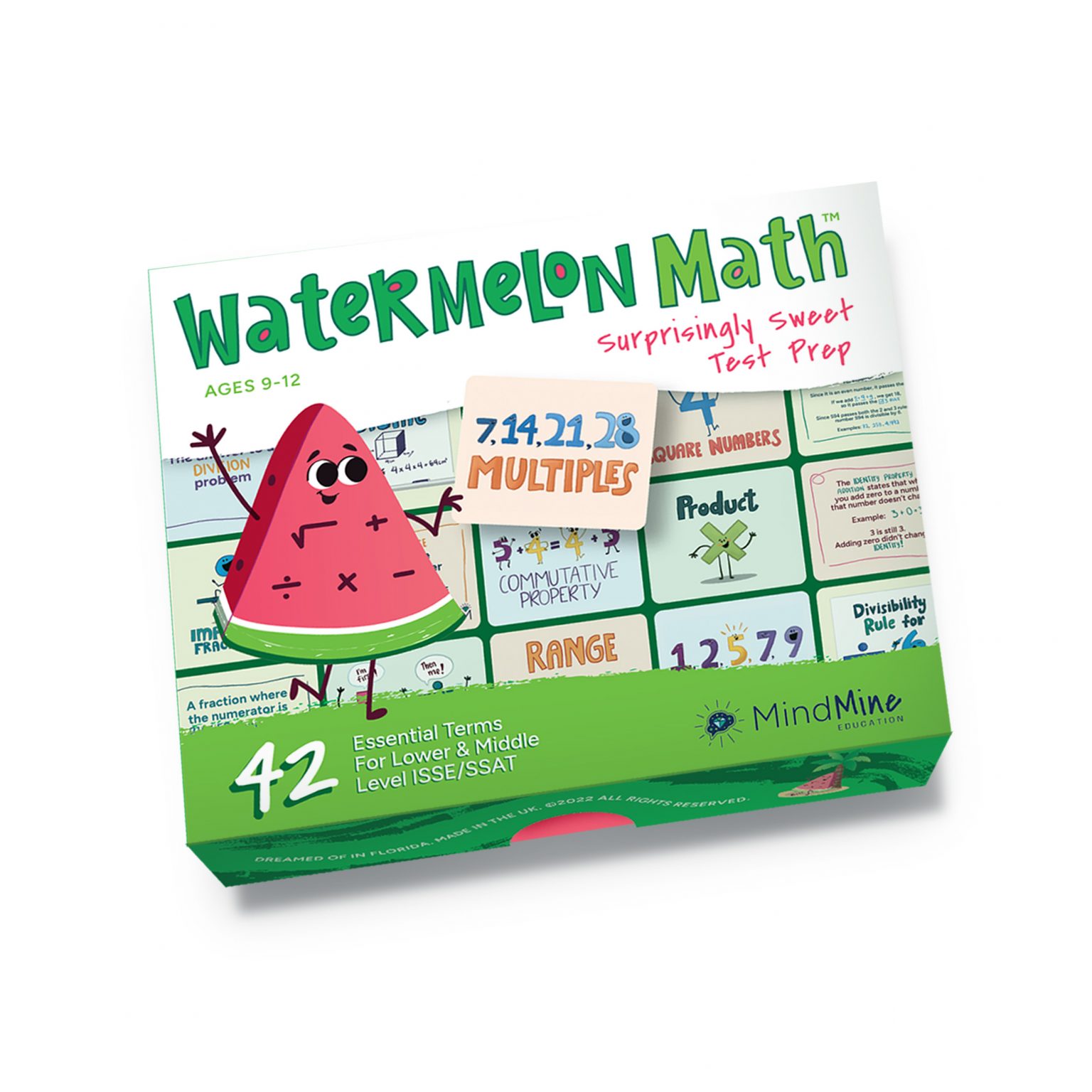
42 full-color math concept cards for ISEE prep
$23.95
Shop Now16 Timed Sets for the Lower Level ISEE
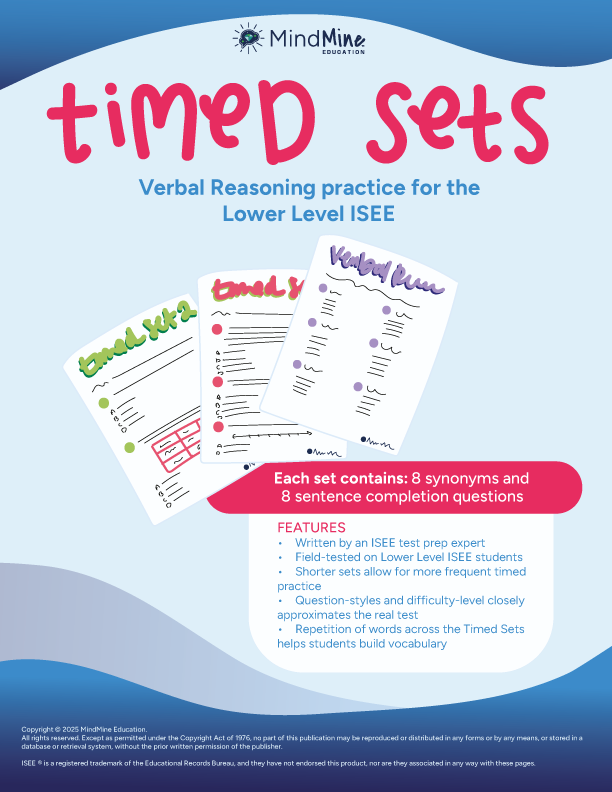
Verbal Reasoning practice sets with real test pacing
$12.50
Shop NowLower Level ISEE Verbal Reasoning Practice

Standalone practice section download
$5.00
Shop NowWatch What You Bring Into the Morning
Kids pick up on parental stress, even when parents think they’re hiding it well. A tense morning, a last-minute quiz in the car, or a reminder of everything riding on the test can undo a lot of the calm a child has built up. The goal on test morning is for everything to feel as normal and low-key as possible: a regular breakfast, a familiar routine, a warm send-off that focuses on effort rather than outcome.
The preparation work is already done by test day. That morning belongs to the student, and the most supportive thing parents can do is make it feel that way.
Related: What Parents Should Know Before Their Child Takes the SSAT

Readiness and Anxiety Aren’t Opposites
A student who has prepared well, who knows the format, who has practiced under realistic conditions, and who has a few coping tools in their back pocket is a ready student. And a ready student has a lot less to be anxious about. Turning test anxiety into test readiness isn’t about eliminating nerves. It’s about giving students enough genuine preparation that the nerves have somewhere productive to go.
If your child is preparing for the ISEE or SSAT and you’re not sure where to start, the ISEE Readiness Audit is a practical first step. If you’d like to talk through a preparation plan that takes your child’s full picture into account, including where anxiety fits in, reach out.
References:
- Mayo Clinic Health System. Helping Children Manage Anxiety. mayoclinichealthsystem.org. https://www.mayoclinichealthsystem.org/hometown-health/speaking-of-health/9-tools-for-helping-your-child-manage-anxiety
- Cincinnati Children’s Hospital. Tackling Test Anxiety: Tips for Parents and Students. blog.cincinnatichildrens.org. https://blog.cincinnatichildrens.org/healthy-living/child-development-and-behavior/test-anxiety-tips-for-parents-students/
Related:
- How Early Should Your Child Start Preparing for Admissions Testing?
- How to Help Your Child Feel Confident on ISEE Test Day
- What Parents Should Know Before Their Child Takes the SSAT
