

Flashcards have a mixed reputation. Some students swear by them. Others make a stack, flip through it twice, and wonder why nothing sticks. The difference usually isn’t the cards themselves, but how they’re being used.
The science behind what makes flashcards effective for vocabulary retention is well established, and it comes down to two principles: active recall and spaced repetition. Understanding these two ideas changes the way a student approaches flashcard study entirely, and it makes the difference between words that stick long enough for test day and words that evaporate by morning.
Why Passive Review Doesn’t Work
The most common mistake students make with flashcards is using them passively. They flip through the stack, read the word, read the definition, nod, and move on. It feels productive. It isn’t, at least not in any durable way.
Reading a definition is not the same as retrieving it. The brain strengthens a memory most effectively when it has to actively pull information up from storage, not when it simply receives the information again. Re-reading a word and its meaning feels easy because it is easy, and that ease is actually a warning sign. As Edutopia notes, students often gravitate toward study strategies that feel comfortable rather than strategies that are actually effective. Easy study is easy forgetting.
Related: The Quiet Role Reading Habits Play in Verbal Reasoning Success
Active Recall: The Habit That Changes Everything
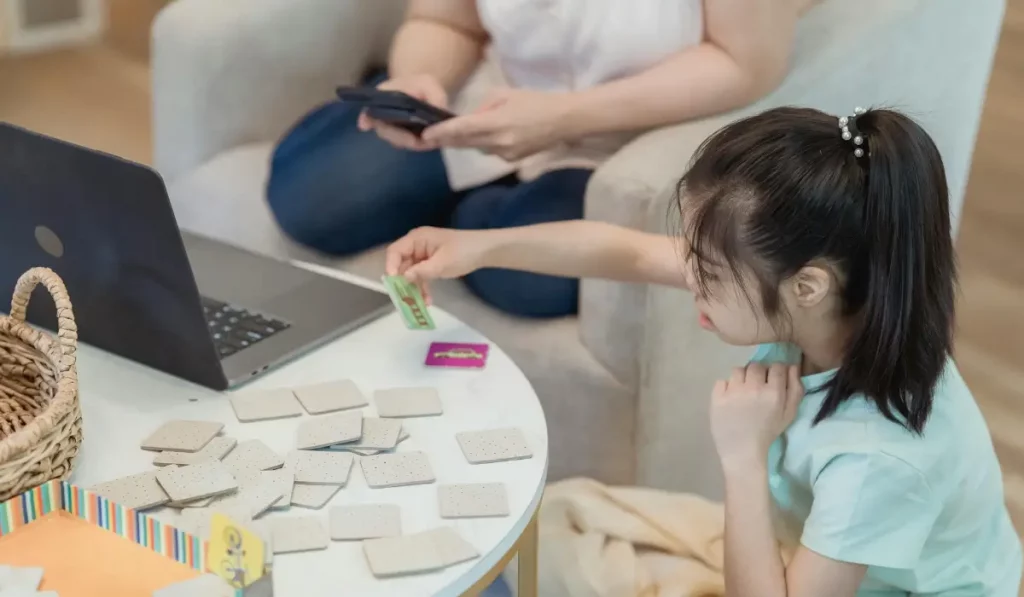
Active recall means covering the definition side of a flashcard, reading the word, and forcing yourself to produce the meaning before flipping it over. That moment of effort, even when it’s uncomfortable, is where the learning actually happens.
The same principle works in reverse: looking at the definition and producing the word. Students who practice in both directions build a more flexible, test-ready understanding of vocabulary than students who only drill in one direction. On the ISEE and SSAT, knowing a word well enough to recognize it in a sentence or in an answer choice requires exactly that kind of flexible familiarity.
The Learning Scientists, a group of cognitive scientists who research evidence-based study strategies, describe retrieval practice as trying to bring information to mind and produce it, whether by writing it down, saying it aloud, or explaining it to someone else. The act of production, not recognition, is what builds durable memory.
Related: Building a Strong Vocabulary Foundation in the Years Before Testing

Spaced Repetition: Reviewing at the Right Time
The second principle is spacing. Reviewing the same flashcard ten times in one sitting builds far less long-term retention than reviewing it once, then again two days later, then again a week after that. Spreading review sessions out over time takes advantage of how memory consolidates, and it means a student is reviewing words at the point where the memory is starting to fade, which is exactly when review is most effective.
Edutopia describes a simple approach: cards a student answers immediately go into a pile to review in three days. Cards answered with some difficulty get reviewed in two days. Cards answered incorrectly get reviewed the next day. This kind of structured sorting keeps the harder words in rotation more frequently and moves mastered words to less frequent review, which is a far more efficient use of study time than shuffling through the same stack at the same pace every session.
For ISEE and SSAT prep, this matters especially because vocabulary preparation works best when it’s spread across weeks and months, not compressed into the final few days before the test. Kelly makes this same point in the MindMine Education vocabulary post: a “little and often” approach to vocabulary study is consistently more effective than marathon sessions. Spaced repetition is the mechanism that makes “little and often” work.
Related: Why Synonyms and Sentence Completions Trip Up So Many Students
What Good Flashcards Look Like
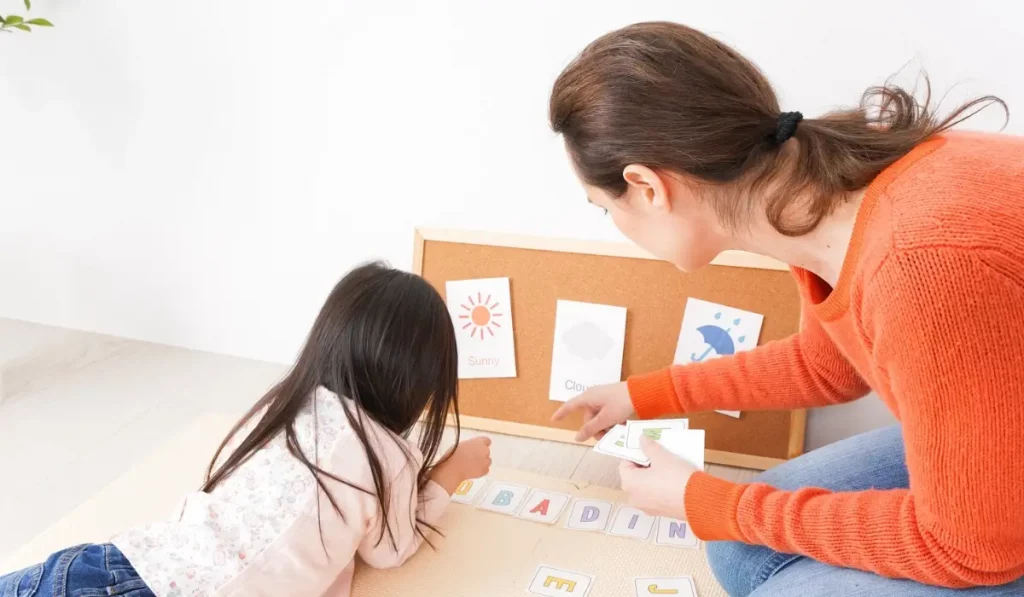
Not all flashcards are created equal. A card that says “loquacious” on one side and “talkative” on the other is a starting point, but it’s not the most effective version. A card that pairs the word with an example sentence, a visual association, or even a personal memory gives the brain more retrieval pathways to work with.
Kelly describes this beautifully in the MindMine Education post on fun vocabulary study: the more sensory and personal the association, the stronger the memory. A student who studies “sullen” while sitting on a cold concrete floor is building a richer memory trace than one who reads the definition at their desk. The same principle applies to the cards themselves. The richer the connection on the card, the easier the retrieval.
Watermelon Math: Surprisingly Sweet Test Prep.™
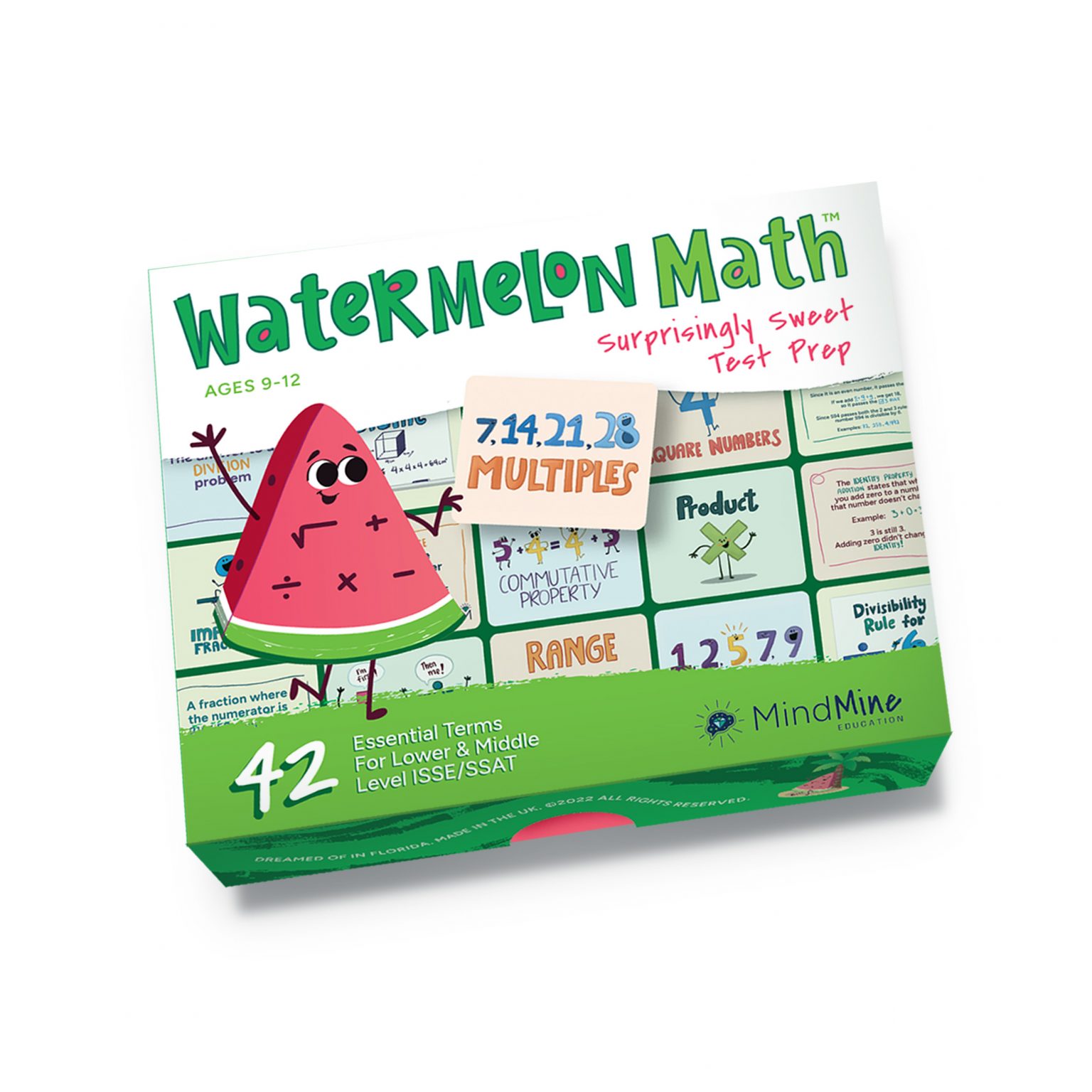
42 full-color math concept cards for ISEE prep
$23.95
Shop Now16 Timed Sets for the Lower Level ISEE
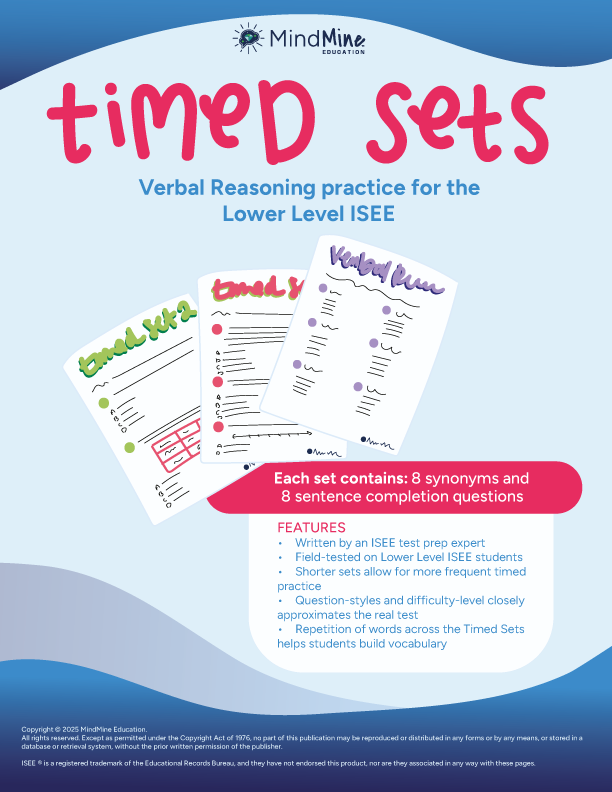
Verbal Reasoning practice sets with real test pacing
$12.50
Shop NowLower Level ISEE Verbal Reasoning Practice

Standalone practice section download
$5.00
Shop NowKeeping the Stack Manageable
One practical note: a stack of two hundred flashcards studied in random order is far less effective than a rotating set of fifteen to twenty words studied deliberately and consistently. Smaller, focused sets reviewed at spaced intervals beat enormous decks reviewed all at once every time.
If your child is preparing for the ISEE or SSAT verbal sections, building a vocabulary habit around these principles gives their study time far more impact than passive review ever could. If you’d like to understand where your child currently stands in verbal preparation, the ISEE Readiness Audit is a great place to start. Reach out whenever you’re ready.
References:
- Edutopia. How to Incorporate Spaced Learning Into Your Lesson Plans. edutopia.org. https://www.edutopia.org/article/incorporate-spaced-learning-lesson-plans/
- The Learning Scientists. Episode 14: How Students Can Use Spacing and Retrieval Practice. learningscientists.org. https://www.learningscientists.org/learning-scientists-podcast/2018/3/7/episode-14-how-students-can-use-spacing-and-retrieval-practice
Related:
- The Quiet Role Reading Habits Play in Verbal Reasoning Success
- Building a Strong Vocabulary Foundation in the Years Before Testing
- Why Synonyms and Sentence Completions Trip Up So Many Students
